Recovering From Surgery Alone: A Practical Home Plan
Recovering from surgery alone? How to prep your home, line up help, and use simple daily check-ins so someone knows you're okay while you heal.

The surgery is scheduled. You've filled out the forms, taken the time off work, and read the pre-op instructions twice. Then the nurse asks a simple question: "Who will be staying with you afterward?"
If you live alone, that question can land hard. Maybe your family lives in another state. Maybe your friends work long hours. Maybe you just don't love the idea of someone sleeping on your couch for a week.
Recovering from surgery alone is something a lot of people do, from knee scopes and hernia repairs to wisdom teeth and outpatient procedures. With some planning, it's very manageable. The goal isn't to do everything yourself. It's to set things up so the hard parts are already handled, and so someone would notice quickly if you needed help.
This guide covers the practical side. For anything medical, like what you can lift, when you can drive, or which symptoms mean you should call, your surgeon and care team are the ones to ask.
Be Honest With Your Care Team
Before anything else, tell your surgeon's office that you live alone. It's not an embarrassing detail; it's useful information.
Many hospitals and surgery centers require a responsible adult to drive you home after anesthesia, and some will want someone with you for the first night. Knowing your situation helps them give you realistic advice about:
- Whether you need someone with you for the first 24 hours
- How long before you can drive, shower, or climb stairs
- What warning signs mean you should call them or seek urgent care
- Whether home health visits or a short rehab stay make sense
Write their answers down. Things get foggy after surgery, and a sheet of paper on the fridge beats trying to remember.
Prepare Your Home Before Surgery Day
The best time to make your place recovery-friendly is the week before, while you still have full energy and two working arms.
Set Up a Recovery Station
Pick the spot where you'll spend most of your time, usually the couch or bed, and put everything you'll need within arm's reach:
- Phone charger with a long cable
- Water bottle and easy snacks
- Medications and a written schedule
- Remote, book, tablet, tissues
- A small trash bag
Clear the Path
Move rugs, cords, and clutter out of the route between your bed, bathroom, and kitchen. Add a night-light or two. If you'll be on crutches or using a walker, make sure you can actually fit through the doorways with it.
Move Things to Waist Height
Bending and reaching overhead can be hard after many procedures. Put the plates, mugs, pans, and clothes you'll use on counters or middle shelves.
Stock Up
Cook and freeze a few meals, or plan for grocery delivery. Fill prescriptions before surgery if you can. Pick up any supplies your care team recommends, like ice packs or a shower chair.
Line Up Your Support Before You Need It
Living alone doesn't mean recovering without help. It just means the help has to be scheduled instead of standing in the next room.
Ask for Specific Things
People are much more likely to say yes to a concrete request than to "let me know if you need anything." Try:
- "Can you drive me home Thursday and stay until dinner?"
- "Could you drop off groceries on Saturday?"
- "Can you walk the dog the first two mornings?"
Spread It Out
A friend for the ride home, a neighbor for the mail, a sibling for a phone call each evening. Several people doing small jobs is easier on everyone than one person doing all of it.
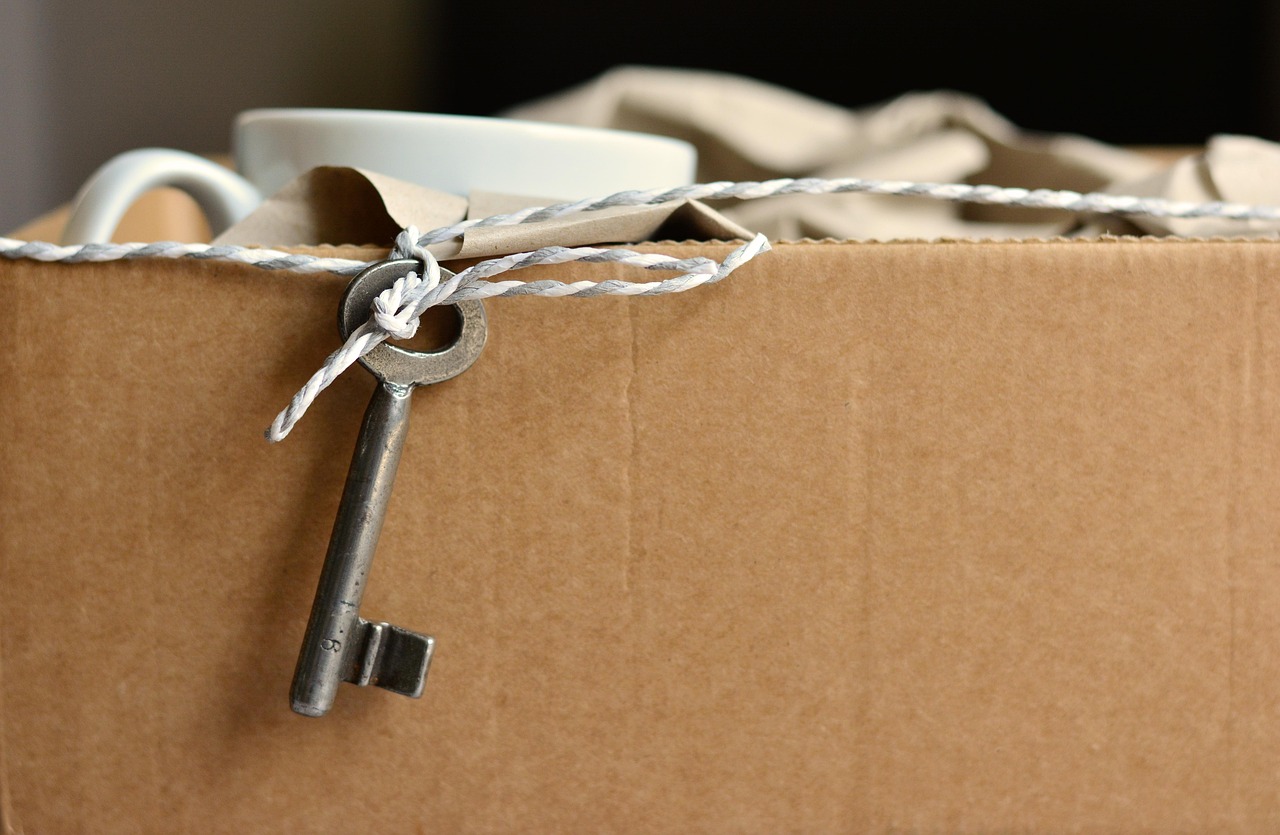
Keep a Key Somewhere Safe
If you get stuck or need help, someone should be able to get in without breaking down a door. A trusted neighbor with a spare key or a lockbox with a code you've shared works well.
The Real Worry: What If Nobody Notices?
Here's the part that keeps a lot of people up at night. You're groggy from pain medication. You get up to use the bathroom and feel lightheaded. Your phone is on the nightstand. And nobody is expecting to hear from you until tomorrow, or the day after.
The usual answer is "I'll text my sister every morning." That works until the morning you sleep through it, or she assumes no news is good news. It puts the job of noticing on someone who has their own busy life.
What helps is a system that notices for them. If you check in on schedule, nobody has to do anything. If you don't, the right people find out automatically. We've written about this idea for people living alone in general, and recovery is one of the times it matters most.
How CheckIn More Helps During Recovery
CheckIn More is a daily check-in app for people who live alone and the families who worry about them. It's simple on purpose, which is exactly what you want when you're tired and sore.
Daily Check-Ins on Your Schedule
Choose the times you want to check in, say 9am and 8pm, and how long a window you have to respond. When it's time, you get a reminder. A few taps and you're done. If you miss the window, your contacts are notified.
During recovery, you might want more check-ins than usual for the first week, then scale back as you feel better. You can also pause check-ins once you're up and about.
Mood Check-Ins and Asking for Help
You can check in with a mood (bad, okay, good, or great), which gives your family a quick sense of how you're doing without a long phone call. Over time, your check-in history shows the trend. And if you need someone, the request assistance check-in alerts your contacts right away.
Safety Timers for Small Risky Moments
Some moments carry a little more risk than others, like your first shower or your first walk around the block. A safety timer covers those. Set a duration with a note, like "first shower, 20 minutes." Check back in when you're done. If you don't, there's a five-minute grace period, and then your contacts are notified.
You can even start a timer by texting CheckIn More's number, like "30m walking to the mailbox," without opening the app.
Your Contacts Don't Need the App
Add the people you trust by name and phone number. They confirm by replying "Yes" to a text, and they never have to download anything. Notifications go out by email on every plan, SMS text on Plus and above, and an AI phone call on Premium, which is much harder to sleep through.
What CheckIn More Isn't
CheckIn More isn't a medical alert device and doesn't replace your care team or emergency services. It doesn't track your location. If you have a medical emergency, call 911 or your local emergency number, and follow your surgeon's instructions about when to call them.
What it does is close the gap between "something went wrong" and "someone knows."
A Quick Checklist for Recovering From Surgery Alone
- Tell your surgeon's office you live alone and ask what support they recommend.
- Arrange a ride home and, if advised, someone for the first night.
- Set up a recovery station with everything within reach.
- Clear walkways and move everyday items to waist height.
- Stock meals, prescriptions, and supplies ahead of time.
- Give a trusted person a way to get into your home.
- Set up daily check-ins so someone hears from you every day.
If you're helping a parent through recovery from a distance, our guide on checking in without being intrusive has a few ideas, too.
Getting Started
Set it up a few days before surgery so it's ready when you get home:
- Download CheckIn More on iPhone or Android.
- Add one or two contacts and have them reply "Yes" to confirm.
- Choose check-in times that fit your recovery routine.
- Do a test check-in so you know exactly how it works.
There's a free plan, no credit card required. CheckIn More was built by Trevor and Kelly, a husband-and-wife team who know what it feels like to worry about someone living alone.
Frequently Asked Questions
Can I recover from surgery alone? Many people do, especially after outpatient procedures. Ask your surgeon's office what's realistic for your procedure, since some require a responsible adult to drive you home or stay the first night.
How should I prepare my home for recovering alone? Set up a recovery station with your phone, water, snacks, and medications within reach. Clear walkways, add night-lights, and move everyday items to waist height.
What if I fall or need help and nobody is around? Keep your phone on you, give a trusted person a spare key, and set up scheduled check-ins so your contacts are alerted automatically if you don't respond. For emergencies, call 911.
How does a daily check-in app help after surgery? You check in at times you choose. If you miss a check-in, your contacts are notified, so nobody has to remember to call you and you don't have to remember to call them.
Is CheckIn More a medical alert device? No. It doesn't replace medical alert systems, your care team, or emergency services. It's a simple way to make sure someone knows if you go quiet.
Is there a free version? Yes. There's a free plan with email alerts, no credit card required. Paid plans add SMS and AI phone call notifications.