The Best Check-In Service for Women Living Alone
Living alone as a woman means thinking about safety in ways that don't always get talked about. A check-in service built for real life — daily routines and the moments that feel uncertain.
Living alone as a woman involves a kind of low-level safety calculus that's easy to dismiss and hard to explain. It's not fear exactly — it's awareness. Texting a friend your location before a first date. Taking a different route home after dark. Keeping your phone charged before an evening run.
These habits are sensible. But they're also fragile. They depend on someone being available to receive that text, remembering to check in, knowing when to worry.
A check-in service for women living alone makes the safety net automatic. You go about your life. If something actually seems wrong, the right people are alerted — without anyone having to remember to check on you.
Two Tools, Two Kinds of Moments
Living alone means two distinct safety situations: the daily routine, and the moments that fall outside it. CheckIn More handles both.
Daily Check-Ins: The Quiet Routine
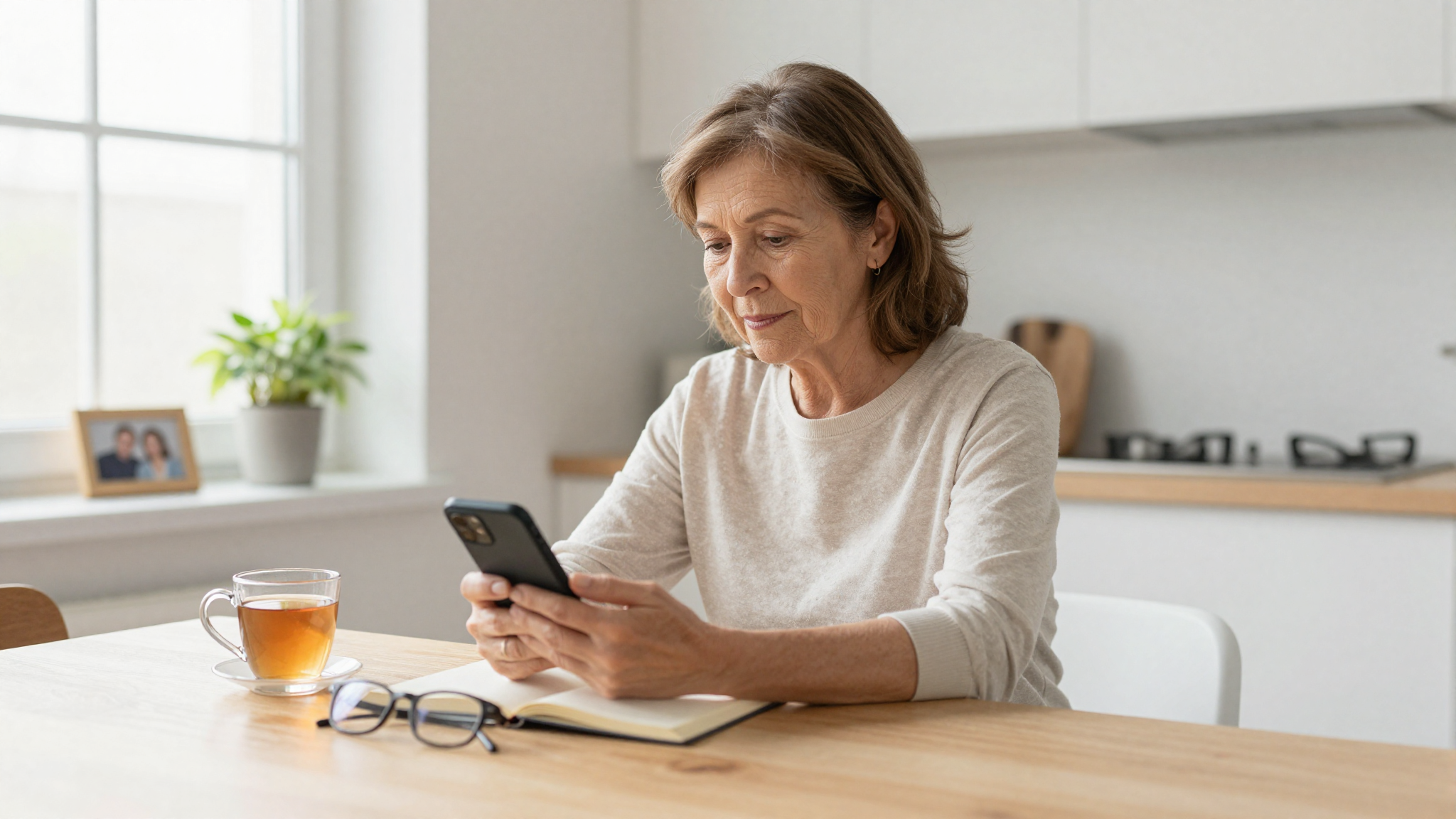
A scheduled daily check-in is a simple touchpoint — once a day, at a time that fits your routine. A reminder notification prompts you to tap. If you don't check in within your window, your contacts are automatically notified.
It's not about assuming something will go wrong. It's about having a system that works quietly in the background — so that if something ever does, the people who love you aren't left wondering how long to wait before they act.
Contacts can choose their notification preference:
- Every check-in — for loved ones who want daily reassurance
- Missed check-ins only — for those who prefer "no news is good news"
You can also share a mood alongside your check-in — not just "I'm okay," but how you're actually doing. A small thing that makes the daily touchpoint feel more like connection and less like a safety drill.
See how daily check-ins work →
Safety Timers: For the Moments That Feel Uncertain
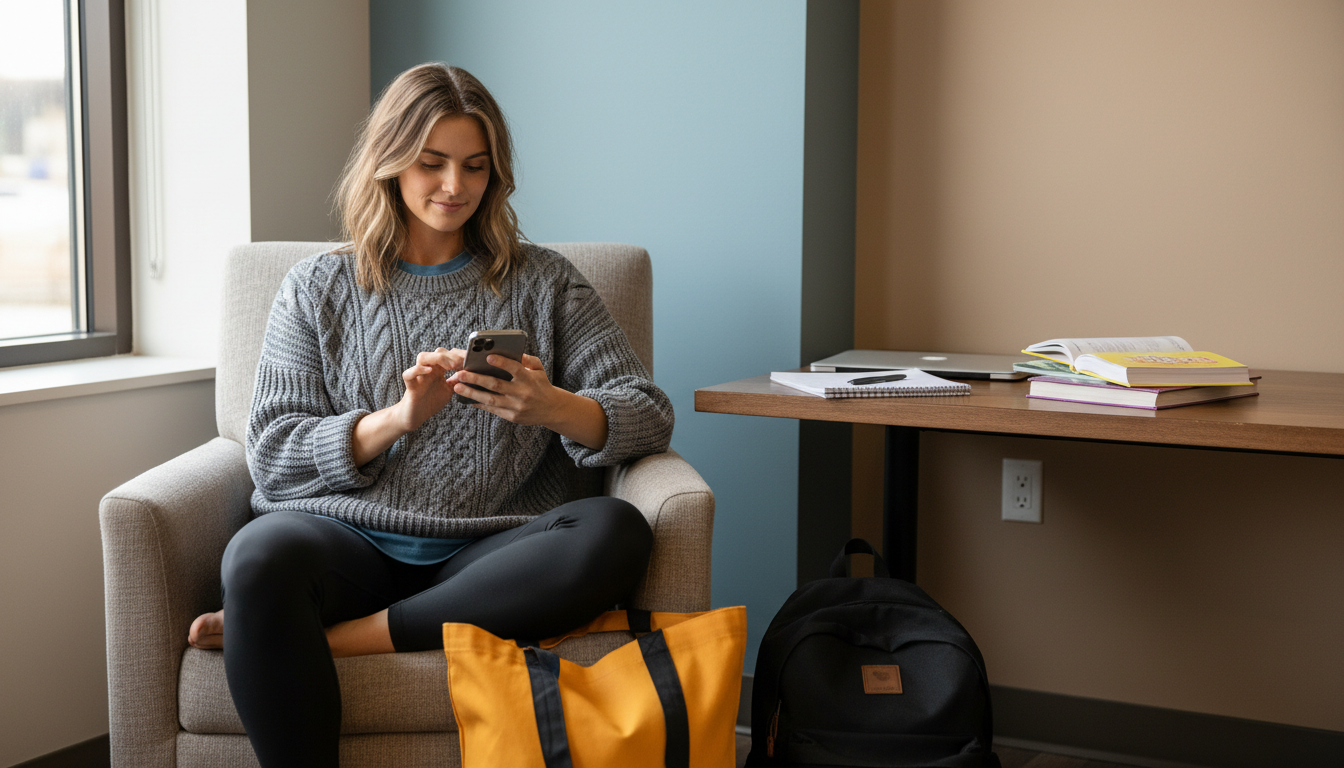
Some situations call for something more immediate. A first date. An evening run. A late night at the office walking to your car. A workout class in a neighborhood you don't know well.
Safety timers let you set a countdown for any activity. Before you go, open the app — or just send a text:
"first date, back by 10:30" "evening run, 40 minutes" "heading to my car, 10 min"
When you're back safe: "home" or "just got back" cancels the timer. If you don't check in when it expires, CheckIn More waits five minutes — then notifies your contacts.
You don't have to open the app. You don't have to remember to text a friend and hope they're watching their phone. The system handles it.
The Difference Between a Safety App and a Check-In Service
A lot of apps marketed to women focus on the moment of crisis — an SOS button, a fake call, a loud alarm. Those have their place.
CheckIn More is different. It's not about the moment things go wrong — it's about making sure someone knows something went wrong, and when.
The SOS button is for right now. A check-in service is for what happens if you never make it home.
That's a different kind of protection, and for many women living alone, it's the gap that actually needs filling.
What Your Contacts Experience
Your contacts don't need the app. They don't need an account. They just need a way to receive a message.
When a check-in is missed or a timer expires, they receive an alert — by email, SMS, or phone call depending on your preferences — with enough context to know what's happening and what to do.
For the people in your life who worry about you, that automatic alert removes an impossible burden: the burden of deciding when "she's probably fine" tips over into "I should do something."
Getting Started
CheckIn More has a free plan — no credit card required — with one daily check-in and email notifications to one contact. Paid plans add SMS alerts, phone call notifications, unlimited check-ins, and safety timers, and include a free trial.
If you're looking for a check-in service for women living alone that fits into real life — not just the scary moments, but the quiet daily routine — this is what CheckIn More was built for.
Frequently Asked Questions
How is this different from sharing my location with a friend? Location sharing shows where you are — but someone has to actively check it, and know when to be concerned. CheckIn More alerts your contacts automatically if something seems wrong. No one has to remember to look.
Can I use this just for specific situations, not every day? Yes. Safety timers work independently of the daily check-in schedule. You can use one without the other.
What if I don't want my contacts notified every single day? Each contact can choose to receive alerts only for missed check-ins — not every completed one. So they only hear from the app when something actually seems off.
Do my contacts need to download the app? No. They receive alerts by email, SMS, or phone call. No app or account needed on their end.
What happens if I forget to check in but I'm fine? Your contacts get notified. You can reach out to let them know everything's okay — and adjust your check-in window or schedule if it's happening regularly.
Is there a free plan? Yes. One daily check-in time and email notifications to one contact, free forever. No credit card required.