The Best Check-In Service for Solo Living
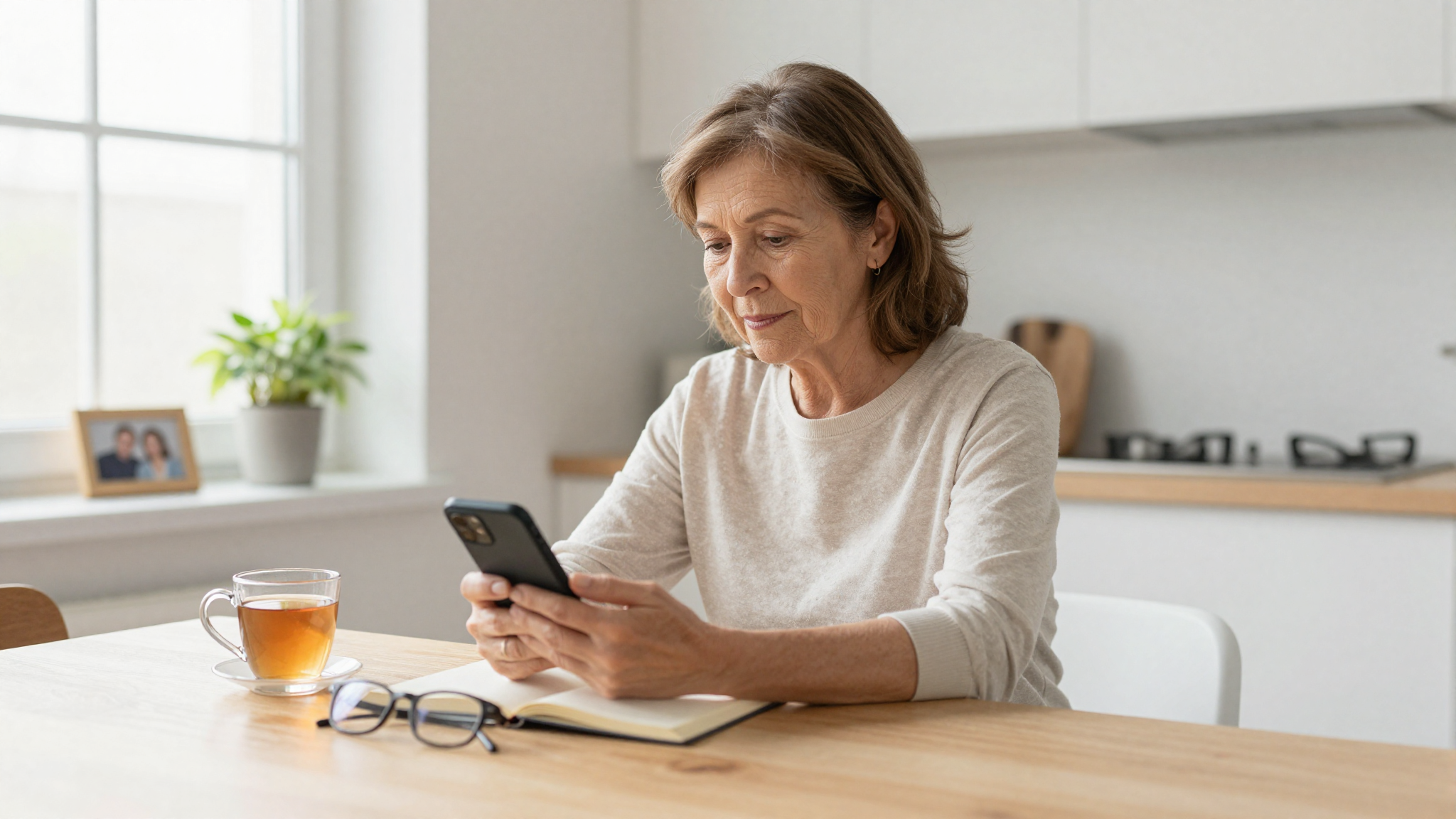
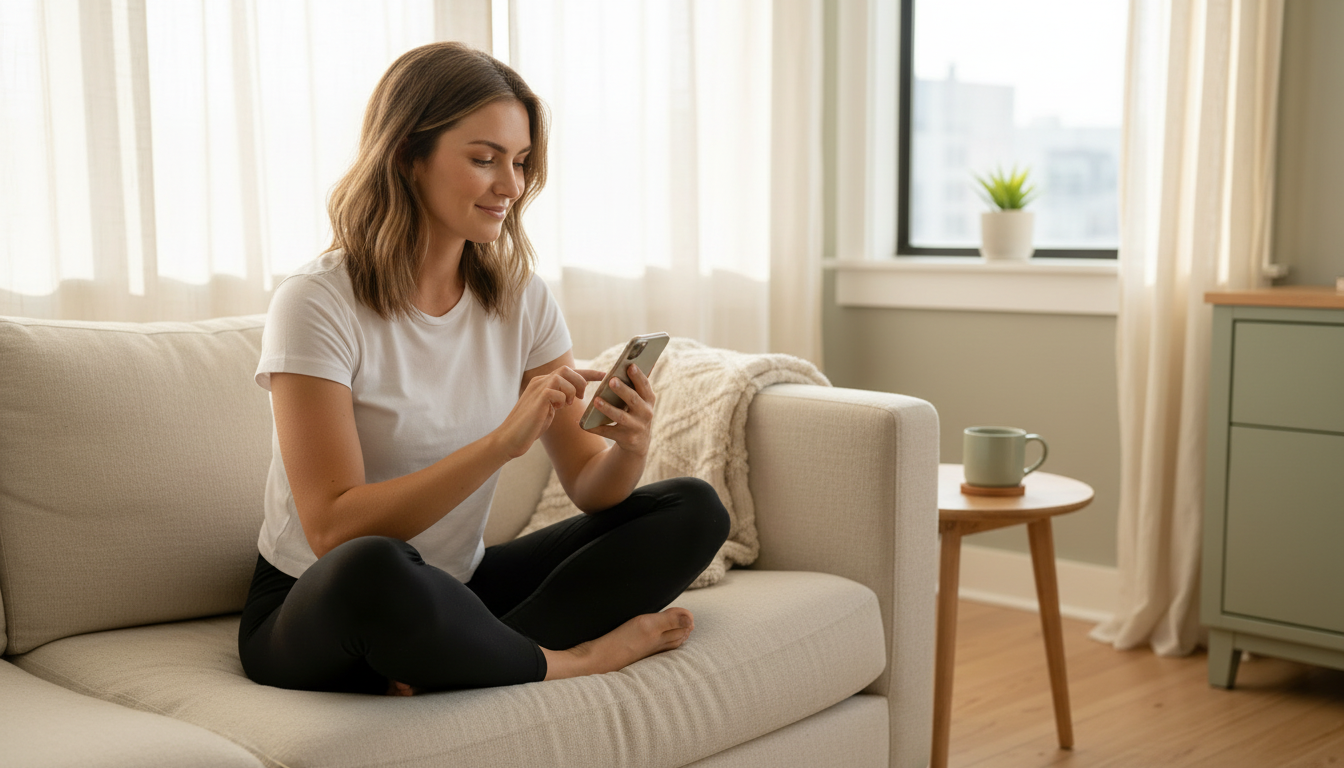
Solo living is freeing — but the people who love you still worry. A check-in service for solo living gives them peace of mind without turning your independence into a daily obligation.
Solo living is one of those things that sounds simple until you actually do it. You set your own schedule, eat what you want, and answer to no one. It's genuinely great.
But somewhere in the back of your mind — and definitely in the minds of the people who love you — there's a quiet, persistent question: what if something happens and nobody knows?
Not paranoia. Just the reality of being the only person in your space.
A check-in service for solo living solves this without drama. It creates a quiet daily routine that keeps your people informed — and kicks in automatically if you ever actually need help.
The Problem With Ad-Hoc Check-Ins
Most people who live alone have some version of an informal system. A daily text to mom. A call with a friend every few days. A vague understanding that someone would eventually notice if things went quiet.
The problem with informal systems is that they break down in exactly the situations where you need them most. You forget to text, someone gets busy, the check-in gets skipped — and nobody thinks anything of it, even if they should.
A dedicated check-in service replaces the informal system with an automatic one. You check in on your schedule. If you don't, the right people are notified — without anyone having to remember to check on you.
Two Features Built for Solo Living
CheckIn More has two distinct tools that work together for people living alone.
Daily Check-Ins
The core feature: a scheduled check-in, once or multiple times a day, on whatever days you choose. A reminder notification prompts you to tap — and if you don't check in within your window, your contacts are automatically notified.
You can also share more than just "I'm okay." CheckIn More lets you log a mood alongside your check-in, so the people who care about you get a fuller picture of how you're actually doing — not just that you're alive.
Contacts can choose how they want to be notified:
- Every check-in — for loved ones who want daily reassurance
- Missed check-ins only — for those who prefer "no news is good news"
See how the daily check-in works →
Safety Timers
Some moments call for a different kind of safety net. A late-night grocery run. A first date with someone you met online. A solo walk after dark.
Safety timers let you set a countdown for any activity. If you don't check back in when the timer expires, CheckIn More waits five minutes — then notifies your contacts.
You can start a timer from the app, or just send a text:
"45 minutes, heading to the gym" "date night, back by 11"
When you're home: "just got back" cancels the timer. Simple.
Who This Is For
Young adults who just moved out. Your parents know you're fine — but they still worry. A daily check-in gives them something concrete to hold onto, without the daily phone call obligation on either side.
Women living alone. A quiet daily routine plus a timer for anything that feels uncertain. It's not about being afraid — it's about being smart.
Remote workers and introverts. If your daily life doesn't naturally cross paths with many people, a check-in service fills that gap without requiring anyone to actively reach out.
Anyone between "probably fine" and "emergency." Most check-in systems are binary: everything's normal, or call 911. CheckIn More lives in the middle — the mood check-in, the assistance request button, the pattern detection — giving your contacts more signal before anything becomes a crisis.
How It Works
- Set your schedule. Choose your check-in times — customized by day if your routine changes through the week.
- Check in with a tap. A reminder notification makes it easy. Optionally share a mood status alongside your check-in.
- Contacts are automatically notified. By email, text, or phone call — based on your plan and preferences.
- Set a safety timer for anything spontaneous. From the app or via text message.
- Pause anytime. Visiting family, traveling, or just need a break — pause check-ins without canceling anything.
Your contacts don't need the app. They don't need an account. They just need a way to receive a message.
Getting Started
CheckIn More has a free plan — no credit card required — with email notifications to one contact. Paid plans add SMS and phone call alerts and include a free trial.
If you're looking for a check-in service for solo living that respects your independence while genuinely keeping the people who love you in the loop, this is what CheckIn More was built for.
Frequently Asked Questions
How is this different from texting a family member every day? If you forget to text, someone has to notice — and they might not. CheckIn More alerts your contacts automatically if a check-in is missed. No one has to remember to check on you.
Do my contacts need to download the app? No. Contacts receive alerts by email, text, or phone call. No app or account required on their end.
What's the difference between a daily check-in and a safety timer? Daily check-ins are for your regular routine — a scheduled touchpoint each day. Safety timers are for specific activities where you want a countdown: a run, a date, a late errand. Both notify your contacts automatically if you don't check in.
Can I share more than just "I'm okay"? Yes. CheckIn More lets you log a mood status alongside your check-in, and has an assistance request button if you need help immediately.
What if my schedule changes week to week? Check-in times are fully customizable by day, and you can pause check-ins anytime without canceling your account.
Is there a free plan? Yes. The free plan includes one daily check-in time and email notifications to one contact — no credit card required.