Why Millions of People Are Downloading Check-In Apps Right Now
Check-in apps aren't just for seniors anymore. Here's what the Demumu viral moment reveals about loneliness, solo living, and the growing need for a simple daily safety net.
A $210 app built by three people in China became a global phenomenon in January 2026. Not because it had a clever interface or a clever business model. Because it asked a question nobody wants to answer: if something happened to you today, how long would it take for anyone to notice?
For a lot of people — more than most of us realize — the honest answer is: too long.
Solo Living Is the New Normal
The stereotype of the lonely senior is outdated. Solo living has spread across every age group, driven by later marriages, remote work, higher divorce rates, and a generation of young adults prioritizing independence.
The numbers are stark:
- 125 million one-person households in China — projected to reach 200 million by 2030
- 37 million single-person households in the US — roughly 29% of all households
- In Japan, 76,000 people living alone died at home in 2024, with over 1,000 of them under 40
This isn't a problem confined to the elderly or the isolated. It's a structural feature of modern urban life.
The Fear Demumu Tapped Into
When the Chinese app Sileme ("Are you dead?") went viral, the dark name got the clicks. But the reason people kept it on their phones was something more honest: the quiet fear of dying undiscovered.
One user — a 57-year-old former IT analyst in Texas — put it plainly: "It's kind of nice. It's almost like someone cares."
That sentence is quietly devastating. It describes someone who found genuine comfort in knowing that a piece of software would notice if he disappeared. Not because he doesn't have people in his life — but because modern life makes it easy to slip through the cracks, even with people who love you.
Another user described going up to a week without face-to-face interaction with another human being — not due to social failure, but simply because of remote work and how her life had organized itself.
It's Not Just Seniors
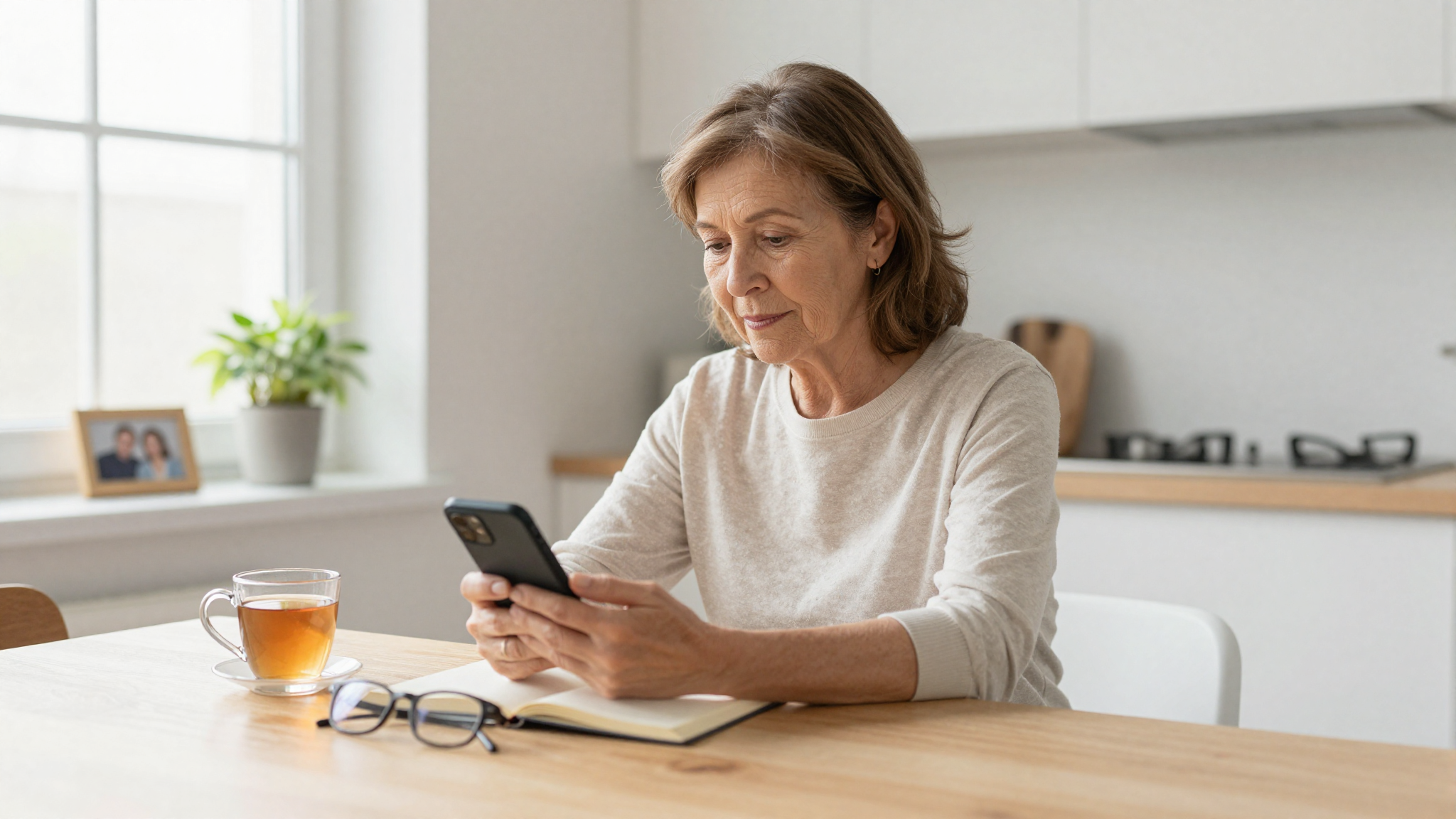
This is worth saying clearly: the primary user base for these apps is not the elderly.
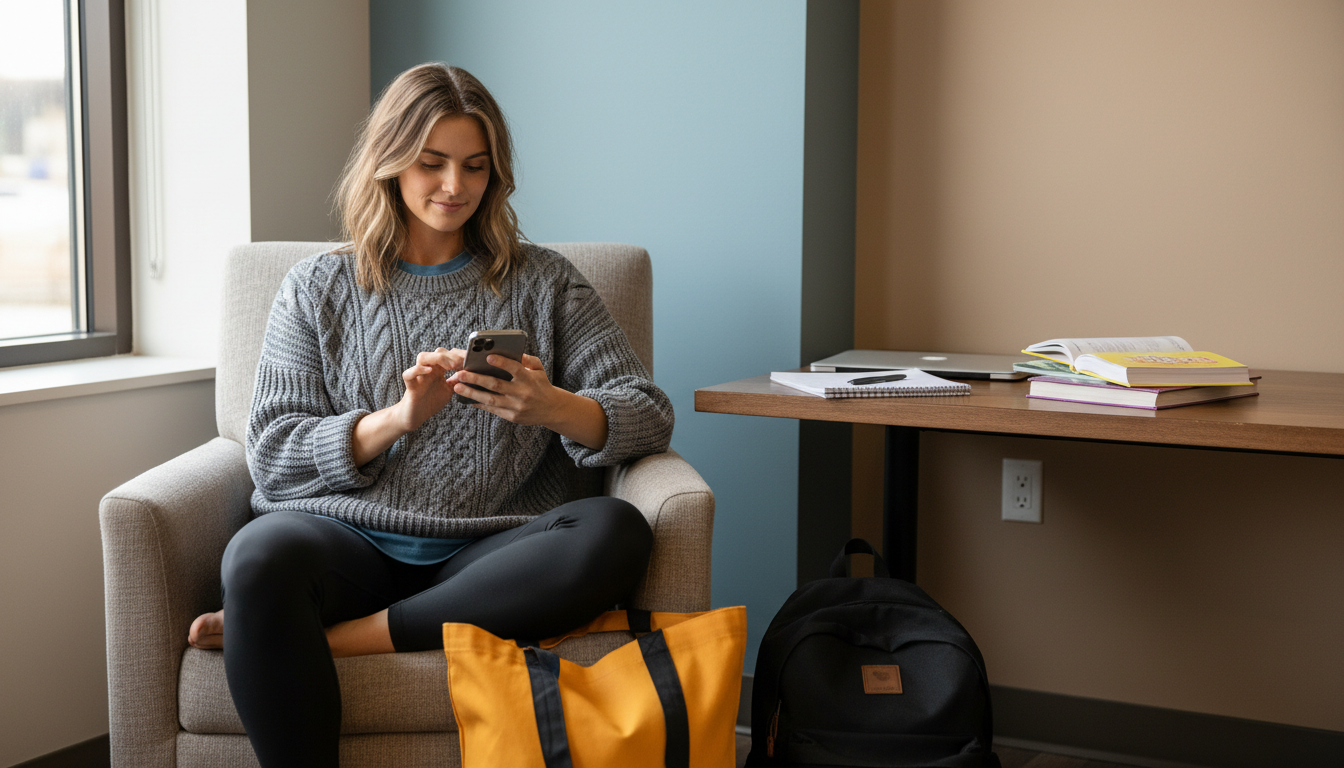
Demumu's target audience spans students, remote workers, solo travelers, and anyone living independently. CheckIn More users include newly independent young adults, people recovering from illness, remote workers in isolated areas, and yes — seniors whose families want peace of mind from a distance.
The common thread isn't age. It's the absence of a natural daily signal — someone who would notice if you didn't show up.
Why a Simple App Beats Complex Solutions
The instinct from the tech industry has always been to solve this with hardware: medical alert buttons, fall detectors, GPS trackers. These are valuable for high-risk situations. But for the vast majority of solo dwellers, they're overkill — and they come with a psychological cost.
Wearing a medical alert device signals something about how you see yourself. For a 34-year-old remote worker or a 55-year-old recently divorced person, that's not who they are.
A check-in app is different. It runs quietly in the background, takes two seconds, and asks nothing of you except that you remember to tap. It's closer to texting a friend good morning than to admitting medical vulnerability.
That's why Demumu resonated. And it's why the category is growing.
What Good Looks Like
The viral moment around Demumu surfaced real unmet needs, but also real limitations in the app itself. A genuinely useful check-in app for safety should:
- Send SMS alerts, not just emails, to emergency contacts
- Support multiple contacts — not everyone has one obvious person
- Offer schedule flexibility — life doesn't run on a fixed 48-hour clock
- Work on both iOS and Android
- Let you signal how you're doing, not just whether you're alive
- Have a real assistance button for when you need help proactively
CheckIn More Was Built for This Moment
CheckIn More started as a personal project by a husband-and-wife team who saw this need up close. The goal was never to build a medical device or a senior care platform — it was to build the thing you'd want your mom, your college roommate, or yourself to have when living alone.
Daily check-ins. Instant text alerts to people who matter. Mood updates so your family gets more than a binary alive/not-alive signal. Flexible scheduling so the app works around your life, not the other way around.
If Demumu made you think "I should probably have something like this" — CheckIn More is what you were imagining.
All information current as of February 2026.