Daily Check-In for Seniors: Why It Matters and How to Make It Simple
A daily check-in for seniors creates a simple safety net for elderly loved ones living alone. Learn why it matters and how CheckIn More makes it effortless.
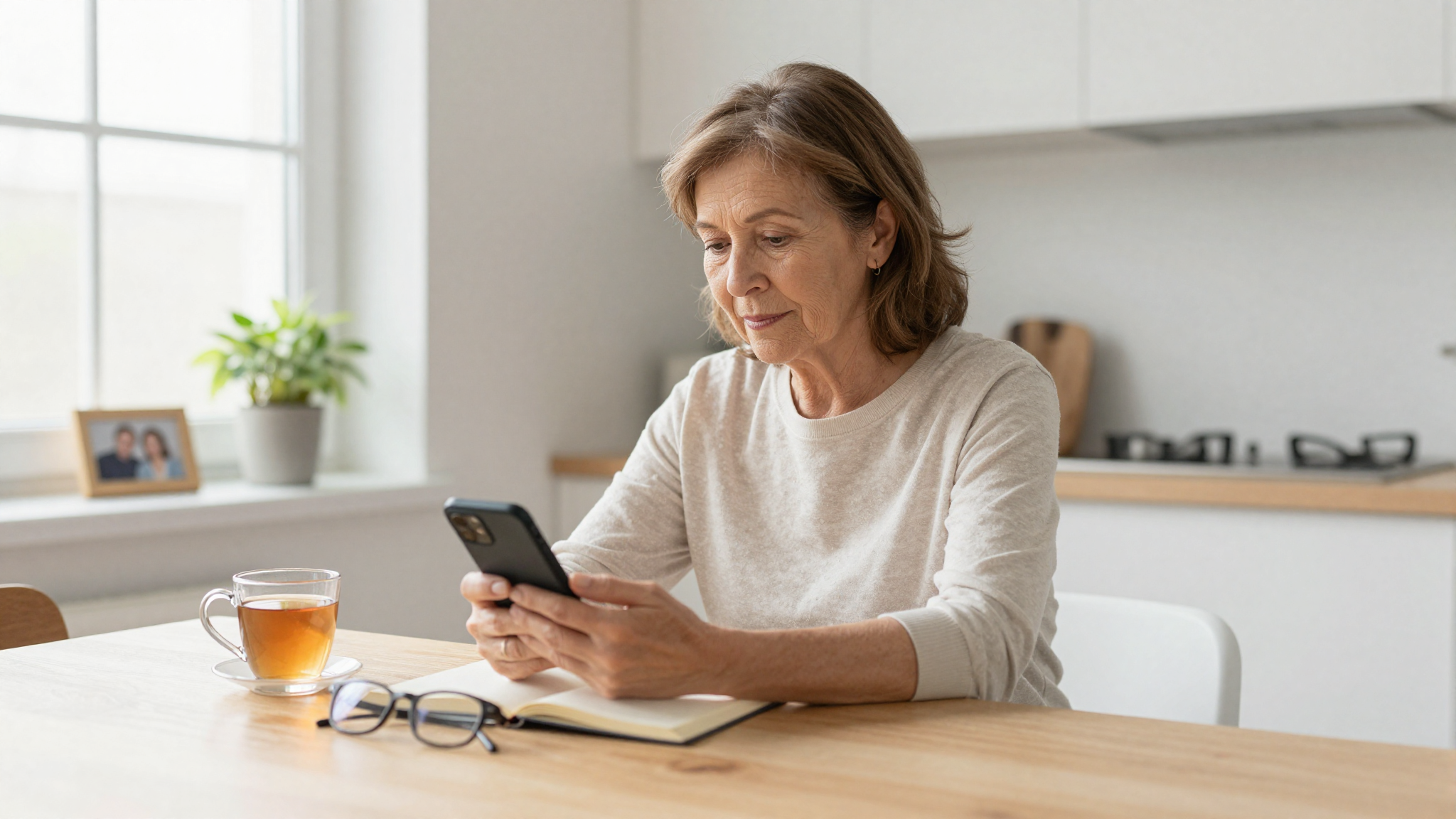
A daily check-in for seniors is exactly what it sounds like: a simple, reliable way to confirm that an elderly loved one is okay — every single day.
It sounds basic. But for families with a senior living alone, that daily confirmation is everything. It's the difference between knowing and wondering. Between catching something early and finding out too late.
Why a Daily Check-In Matters for Seniors
Falls, health events, and medical emergencies don't announce themselves. For seniors living alone, the risk isn't just the event itself — it's the time that passes before anyone notices.
A consistent daily check-in closes that window. If something is wrong, the right people find out the same day — not days later.
Beyond safety, a daily check-in routine also offers something less tangible but just as real: the feeling of being connected. Knowing that someone would notice. That you're not invisible.
The Problem With Traditional Daily Check-Ins
The most common version of a daily check-in is a phone call or text from a family member. It works — but it comes with friction:
- Someone has to remember to call every single day
- Missed calls create worry even when everything is fine
- It can feel like an obligation rather than a connection
- It doesn't scale well across busy families or long distances
Over time, even the most well-intentioned daily call becomes inconsistent. Life gets in the way.
A Better Approach: Automated Daily Check-Ins
An automated daily check-in app keeps the safety net in place without relying on anyone to remember. The senior checks in on their own schedule — a single tap on their phone — and their contacts are notified automatically if anything seems off.
It removes the burden from both sides:
- Seniors don't feel monitored or dependent on a daily call
- Families don't carry the guilt of a missed check-up
- Everyone gets notified when it actually matters
How CheckIn More Handles Daily Check-Ins for Seniors
CheckIn More was built by a husband-and-wife team with seniors in mind — simple enough for anyone to use, reliable enough for families to trust.
Here's how a typical day looks:
- A reminder arrives at the senior's chosen check-in time
- They tap to check in — done in seconds
- Contacts receive a confirmation — or an alert if the check-in is missed
- Family stays informed without a single phone call
Check-in times are fully customizable by day of the week. Seniors can also share how they're feeling or request assistance — not just confirm they're okay.
If a check-in is missed, contacts are notified automatically by email, text, or phone call depending on their preferences. No one has to wonder.
Making Daily Check-Ins Sustainable
The best daily check-in routine is one that actually sticks. A few things that help:
Tie it to an existing habit. Morning coffee, breakfast, or the first news of the day — pairing a check-in with something already in the routine makes it easy to remember.
Keep it flexible. Routines change. Doctor appointments, family visits, and travel happen. CheckIn More lets seniors pause check-ins anytime without canceling their account.
Start simple. One check-in per day is enough for most people. More can always be added later.
Who This Is For
CheckIn More's daily check-in is a great fit for:
- Seniors living alone who want a simple, dignified safety net
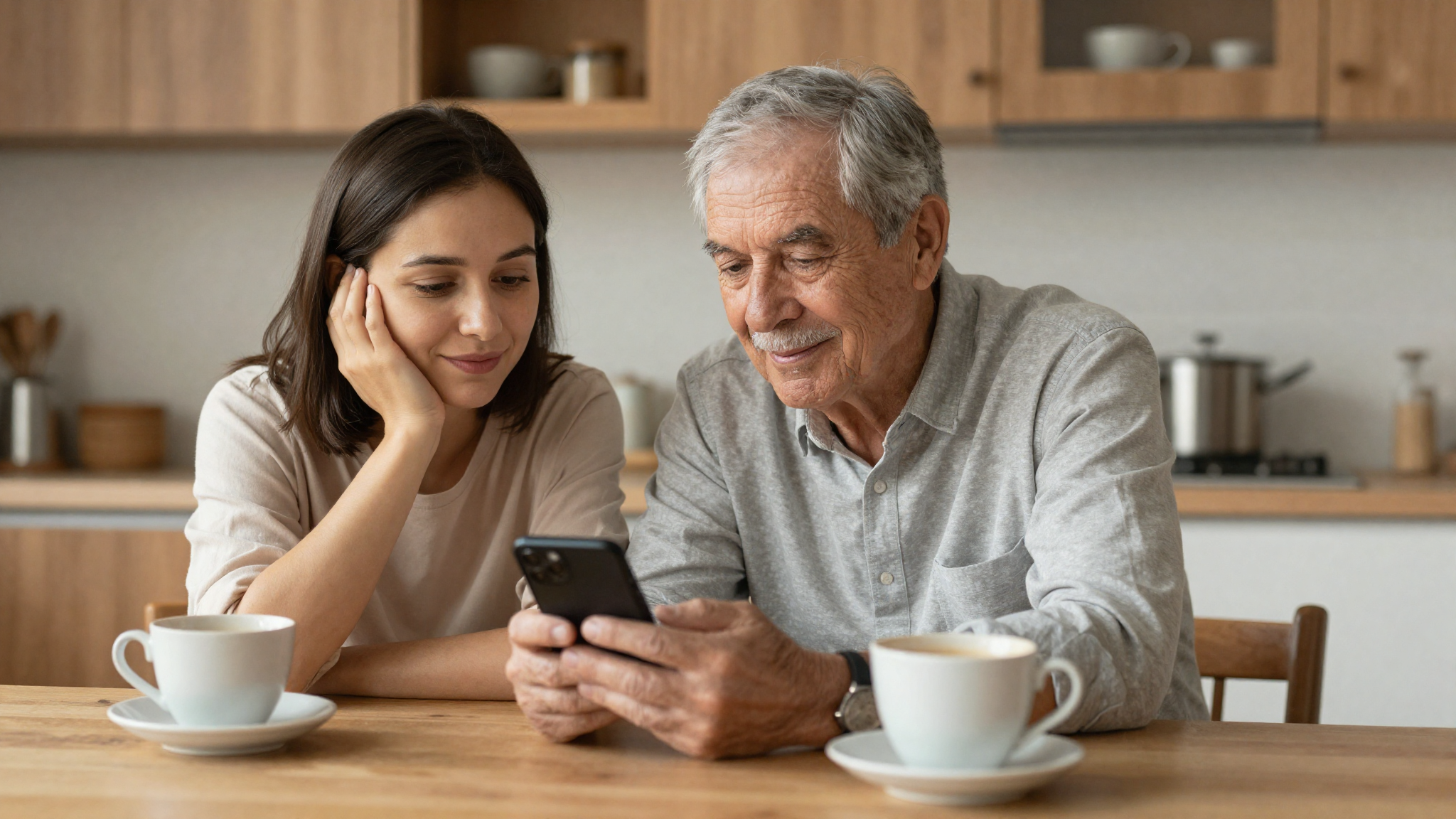
- Adult children managing the worry of a parent living independently
- Families spread across distances who can't check in person
- Seniors recovering from surgery or managing ongoing health conditions
For more on check-in apps built for this audience, see our guides to the best check-in app for the elderly and daily check-in apps for seniors.
Getting Started
There's a free plan to try, and paid plans include a free trial — no commitment needed.
If you've been looking for a reliable, simple daily check-in for seniors that works for the whole family, CheckIn More was built for exactly that.
Frequently Asked Questions
How is a daily check-in different from a medical alert device? A medical alert device responds to emergencies in the moment. A daily check-in catches problems before they escalate — or confirms everything is fine. They serve different purposes and complement each other well.
What if my parent forgets to check in? They'll receive a reminder notification at their chosen check-in time. If they still miss it, their contacts are automatically alerted.
Can I set up the app for my parent? Yes. The app is designed to be set up quickly, and check-in times and contacts can be fully configured before handing it over.
Do I need to download the app to receive alerts? No. Family members and contacts receive alerts by email, text, or phone call — no app or account required.
Is there a free plan? Yes. CheckIn More offers a free plan with email notifications, and paid plans include a free trial.